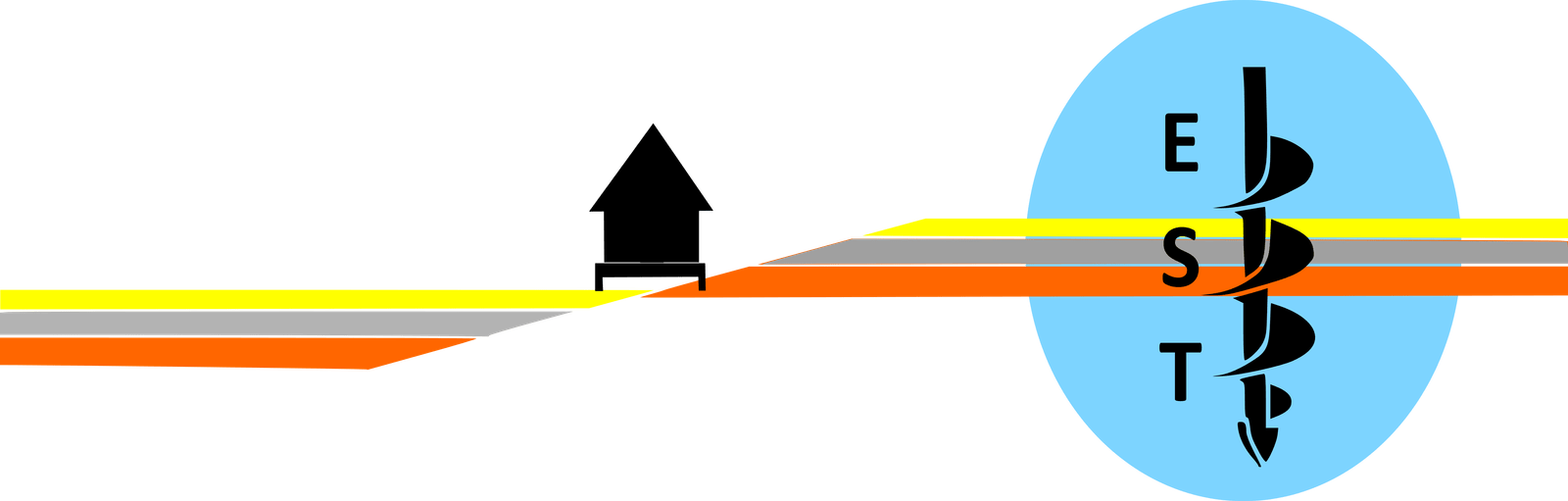
A soil test and site classification identifies a range of conditions that must be addressed before construction. One of the most common issues in Brisbane and surrounds is reduced bearing capacity.
What is Bearing Capacity?
Bearing capacity is the maximum load or pressure that the soil can support without failing or settling excessively. If a building’s load exceeds the soil’s bearing capacity, the foundation can sink, leading to severe structural damage.
Common Causes in SEQ
Reduced bearing capacity is frequently encountered due to:
- Uncontrolled Fill: Sites that have been levelled with fill material that was not properly compacted or certified.
- Soft Alluvial Soils: Common in low-lying areas near rivers and creeks.
- High Moisture Content: Poor drainage or high groundwater tables can soften the soil profile.
The Solution
When a soil test identifies low bearing capacity, the site is typically classified as Class P (Problem site). This doesn’t mean you can’t build — it simply means standard footing designs cannot be used. Your structural engineer will use the data from our report to design a site-specific foundation — such as deeper piers, screw piles, or a stiffened raft slab — to safely transfer the building’s load to stronger soil layers below.